
Hotel, Motel and Short-Term Rental Property Construction Permits in South Florida 2026

Updated: Sep 11
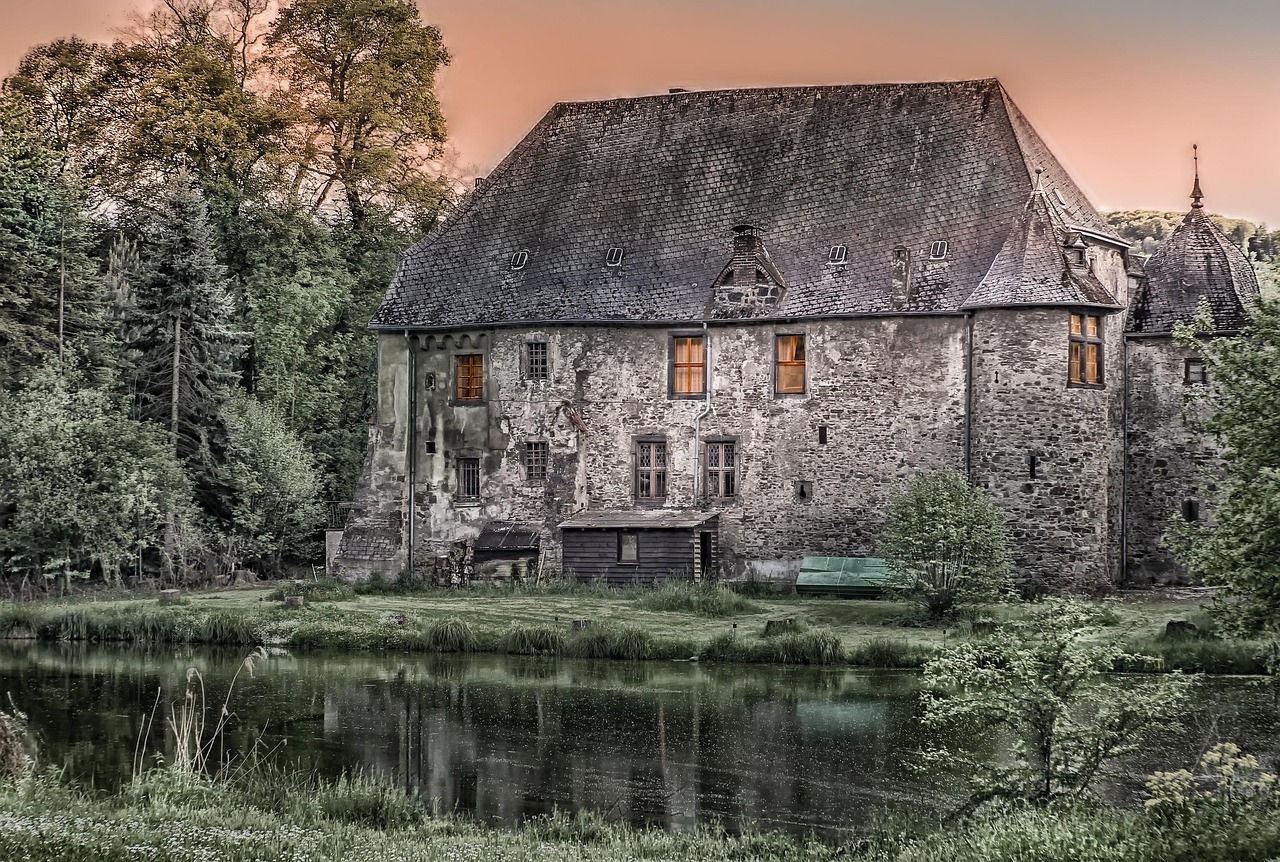
Photo by analogicus via Pixabay
INDEX
Introduction to Hospitality Construction
Florida Building Code R-1 Occupancy
Luxury Resort Construction
Senate Bill 4-D Coastal Hotel Inventory
Short-Term Rental Property Regulation
Florida DBPR Hospitality Licensure
Pool and Recreational Amenity Construction
Accessibility Throughout Hospitality
Meeting and Convention Facilities
Required Submittal Documents
Endless Life Design Hospitality Services
Authoritative References & Code Resources
Related Endless Life Design Resources
Introduction to Hospitality Construction
Hotel, motel, and short-term rental property construction permits in South Florida govern construction of the hospitality inventory supporting the South Florida tourism economy throughout Miami-Dade, Broward, and Palm Beach counties. Hospitality categories include luxury and full-service hotels in tourism destinations including South Beach, Bal Harbour, Sunny Isles Beach, Fort Lauderdale Beach, Hollywood Beach, and Palm Beach, mid-scale and limited-service hotels supporting business and leisure travel, extended-stay hotels supporting longer-duration travel, motels and budget accommodations, vacation rental and short-term rental properties operating under municipal short-term rental ordinances, and hospitality construction.
Florida Building Code R-1 Occupancy
Hotel and transient lodging construction typically follows Group R-1 Residential occupancy classification under Florida Building Code Chapter 5 reflecting the transient occupancy nature with guest turnover. R-1 occupancy provisions include fire alarm coverage throughout all guest rooms and corridors under NFPA 72, sprinkler protection under NFPA 13 with attention to the guest room sprinkler requirements, life safety provisions including emergency egress from guest room counts, smoke detection in all guest rooms, fire-resistance separation between guest rooms and between floors, and R-1 provisions.
Luxury Resort Construction
Luxury resort construction in South Florida hospitality destinations addresses design and construction considerations beyond standard hotel construction including architectural design with iconic and signature design elements, spa and recreational amenities, restaurant and bar inventory within the resort, conference and meeting facilities, beachfront and pool deck amenities, luxury guest room finishes, and luxury resort considerations. Luxury resort construction typically operates under Threshold Building scope with corresponding structural engineering and special inspection requirements. Luxury resort construction in South Florida includes historical hotel inventory undergoing restoration and reinvestment.
Senate Bill 4-D Coastal Hotel Inventory
The 1960s, 1970s, and 1980s coastal hotel inventory across South Florida is within the Senate Bill 4-D milestone inspection 25-year threshold for buildings within three miles of the coastline, which captures substantially all coastal hotel inventory across South Florida. The milestone inspection activity drives balcony rehabilitation, concrete restoration, post-tension cable repair, railing replacement, and repair scope across the older hotel inventory. Hotels with condominium ownership (condo-hotels) face SB 4-D coordination addressing both hotel operations and condominium association governance.
Short-Term Rental Property Regulation
Short-term rental property regulation across South Florida varies substantially by municipality with variation in operational requirements, registration procedures, occupancy limits, and regulatory framework. Miami Beach and coastal municipalities have established short-term rental regulation addressing operational concerns including parking, noise, and neighborhood impact. Other municipalities maintain less restrictive frameworks accommodating short-term rental activity. State preemption considerations under Florida Statutes Section 509 affect the local regulatory authority. Pre-investment regulatory review is essential before committing to short-term rental investment.
Florida DBPR Hospitality Licensure
Florida Department of Business and Professional Regulation Division of Hotels and Restaurants administers licensure for hospitality facilities including hotels, motels, bed-and-breakfasts, vacation rental properties, and restaurants. DBPR licensure addresses operational standards including life safety provisions, sanitation, accessibility, food service where applicable, and operational requirements. New hotel and substantially altered hospitality facility construction requires DBPR plan review and approval before licensure issuance supporting operations. DBPR coordination occurs concurrent with the local building permit process supporting integrated construction and operational planning.
Pool and Recreational Amenity Construction
Pool and recreational amenity construction at hotels and resorts addresses commercial pool requirements including Florida Department of Health public pool licensure under Florida Administrative Code Chapter 64E-9, accessibility under the Florida Accessibility Code with required pool lift or sloped entry, VGB Act drain safety compliance, certified pool operator (CPO) requirements for operating staff, ongoing water quality testing and recordkeeping, and commercial pool provisions. Resort amenity construction extends to pool deck inventory, spa and hot tub installation, beach access and beach club facilities, and recreational amenity considerations.
Accessibility Throughout Hospitality
Hospitality accessibility under the Florida Accessibility Code adopting the 2010 ADA Standards addresses accessibility provisions including accessible parking proportional to total parking, accessible entrances, accessible route throughout the hotel including accessible vertical circulation, accessible guest rooms with appropriate proportion of total guest rooms (typically 4 percent of first 100 rooms plus reducing ratios for larger hotels), accessible communications features in accessible guest rooms, accessible meeting and assembly rooms, accessible restrooms, accessible pool entry, accessible signage with tactile and Braille components where required, and hospitality accessibility throughout the property.
Meeting and Convention Facilities
Meeting and convention facility construction within hotels and resorts addresses assembly occupancy considerations including ballroom and meeting room inventory supporting conferences, weddings, and assembly events, pre-function space supporting registration and arrival circulation, back-of-house kitchen infrastructure supporting catered meal service, life safety provisions appropriate to the assembly occupant load, AV infrastructure supporting modern conference and event programming, supporting amenities, and meeting facility construction. Convention center hotel construction supports the business travel and conference activity.
Required Submittal Documents
A complete hospitality construction permit submittal typically includes the local permit application, contractor licensure documentation, Notice of Commencement, signed and sealed architectural and engineering plans, life safety plans for the assembly and residential occupancy considerations, fire alarm and sprinkler shop drawings, kitchen and restaurant plans with DBPR Division of Hotels and Restaurants coordination, accessibility compliance documentation, energy calculations, Notice of Acceptance documentation for HVHZ items, Threshold Inspector designation for hotel construction, Coastal Construction Control Line authorization for oceanfront projects, milestone inspection coordination for older hotel buildings, and hospitality documentation.
Endless Life Design Hospitality Services
Endless Life Design manages the entire government permit process for construction projects across Miami-Dade, Broward, and Palm Beach counties. Our Government Permit Processing Service handles your application, plan review, and final approval for a flat $4,500 — call (305) 680-3283 to get started.
Authoritative References & Code Resources
For verification of the code requirements, permit standards, Florida Building Code sections, and regulatory citations referenced in this article, consult the following authoritative government and code sources:
Florida Building Code 8th Edition (2023) on ICC Digital Codes: Building | Residential | Existing Building | Mechanical | Plumbing | Accessibility.
Florida Statutes via The Florida Senate: Chapter 489 (Contractor Licensure) | Chapter 553 (Building Construction Standards) | Chapter 713 (Construction Lien Law) | Chapter 471 (Engineers) | Chapter 481 (Architects) | Chapter 472 (Land Surveyors) | Chapter 515 (Pool Safety) | Chapter 633 (Fire Safety).
Florida State Agencies: Florida DBPR Contractor License Verification | DBPR Building Codes and Standards | Florida Building Commission.
Local Municipal & County Codes via Municode Library: Miami-Dade County Code of Ordinances | Broward County Code of Ordinances | Broward County Administrative Code | Palm Beach County Code of Ordinances.
The Vacation Rental Layer Over the Renovation
The vacation rental adds its layer, with the registrations, inspections, and life-safety provisions of the short-term programs running over the renovation permits, the property entering the rental market only through the local program's requirements, and the investor's improvement project permitted for the building and certified for the business at once. The rental income waits on a second certification. Earning both opens the calendar.
The rental income waits on a second certification beyond the permit. Endless Life Design manages the renovation permits and the short-term rental requirements your investment property must clear together. Call (305) 680-3283 for STR projects ready for guests and inspectors alike.
The Conversions Between Hotel and Apartment
The conversions cross occupancy lines, with the hotels becoming apartments and the apartments becoming hotels under the change-of-occupancy reviews the code requires, the life-safety, parking, and accessibility recalculated for the new use, and the building's second life permitted as thoroughly as its first. The building's second life is reviewed like a birth. Permitting the conversion delivers it.
The building's second life is reviewed like a birth. Endless Life Design manages the change-of-occupancy conversions between hospitality and residential uses, with every recalculation documented. Call (305) 680-3283 for conversions permitted into their new lives completely. The kitchens, corridors, and unit counts all shift meaning when the occupancy flips, and the pro forma that skipped the recalculations inherits them as change orders.
Related Endless Life Design Resources
Browse our complete portfolio of licensed construction, engineering, architecture, 3D rendering, and permit expediting services across Miami-Dade, Broward, and Palm Beach counties: Construction Services | Commercial Construction Projects | Residential Construction Projects | Royal Palace Projects.
Request a free consultation today: Visit endlesslifedesign.com | Email endlesslifedesign@endlesslifedesign.com | Call (305) 680-3283 | Contact form.
Endless Life Design | Licensed General Contractor and South Florida Hospitality Construction Permit Services | Miami-Dade, Broward, and Palm Beach County | (305) 680-3283 | endlesslifedesign@endlesslifedesign.com
Related Permit Resources
Continue exploring: Data Center and Technology Facility Construction Permits in South Florida 2026 • Stucco, Exterior Waterproofing and Cladding Permits in South Florida 2026 • Zoning Variances, Special Exceptions and Public Hearings – South Florida Deep Dive 2026 • Utility Connection Permits – Water, Sewer, FPL and Telecom in South Florida 2026 • Ready to secure your approvals? Explore our Government Permit Processing Service or call (305) 680-3283 today.
We are also a full-service interior design company and interior decoration company — offering interior design services, room design and home styling, with living room decor ideas, bedroom decor ideas, kitchen decorating and bathroom decor ideas for houses, condos and estates across Miami-Dade, Broward and Palm Beach.
People also find us searching: home decorator, home decorate, interiors, room decorating, inside design, interior design firms, interior company, shop interior design, interior design stores, interior design shop, interior design publications, ideas for wall decor, design interior design, interior design interior design, interior and design, d interior design, house designer near me, interior designer near by me, interior designers in near me, interior designs styles, interior design and styling, interior design styling, interior decoration store, design room design, home interior design, interior design near me, living room design, interior design companies near me, interior designer near me, interior decorator near me, house designers near me, living room decor ideas, bedroom decor ideas, home decor ideas, interior design services, house decor ideas, sitting room decor ideas, home interior ideas, living decor ideas, interior ideas for living room, bedroom interior ideas, bedroom decoration design, bathroom decor ideas, bedroom decoration, bed room decoration, small living room decorating ideas, small living room furniture ideas, room designer, room decor ideas, interior design company, interior company, interior decoration company, kitchen decorating, wall decor for living room, living room decor, kitchen decor ideas, home styling, master bathroom decor ideas, decorating a small bedroom, modern bathroom decor ideas, shop home decor, stores for home decor, and interior designers.


Comments