
Fire Station Construction Permits in South Florida 2026 — New Builds, Renovations, and Apparatus Bay Upgrades for Miami-Dade, Broward, and Palm Beach

Updated: Jun 13
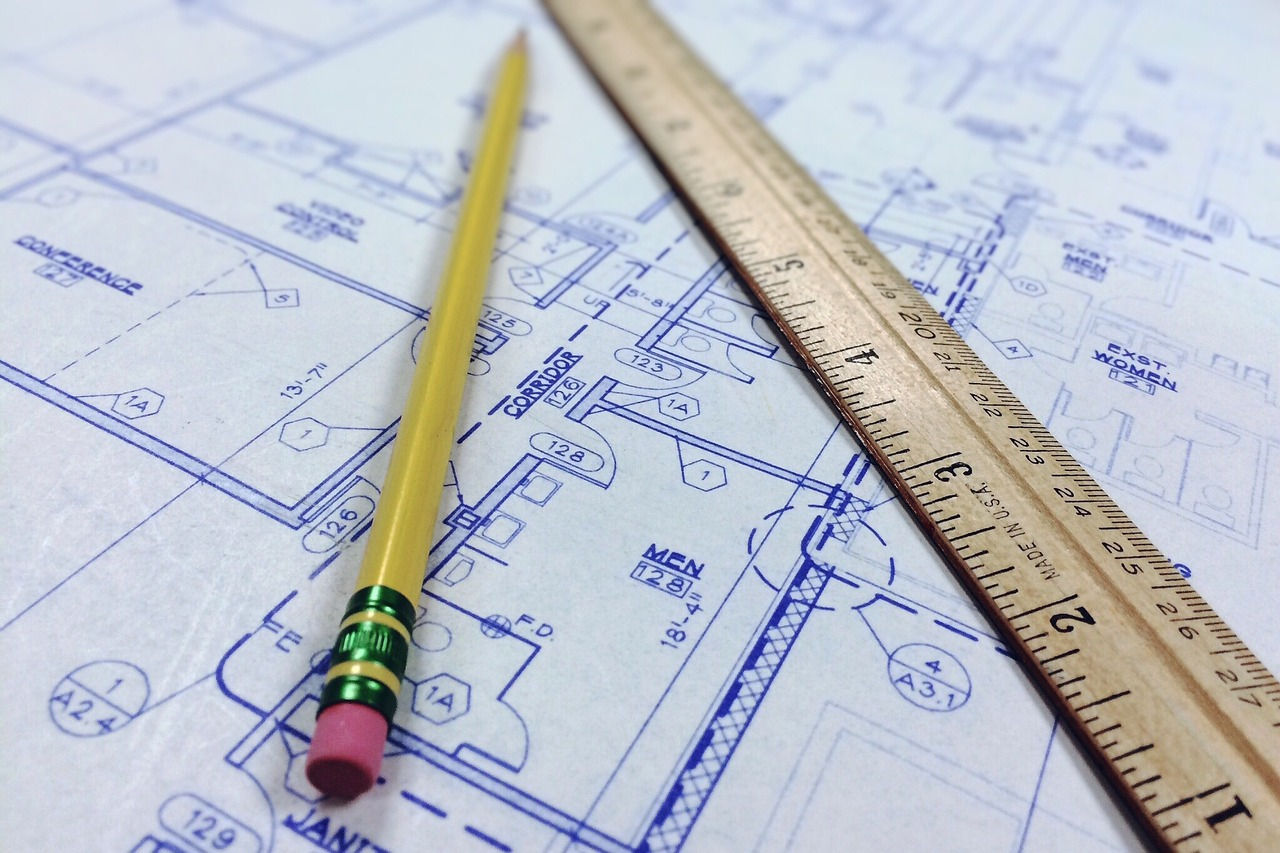
Photo by WOKANDAPIX via Pixabay
Fire station construction is one of the most code-intensive project types in South Florida. These buildings have to function as 24/7 emergency response hubs, withstand Category 5 hurricane wind loads as designated essential facilities under ASCE 7-22 Risk Category IV, accommodate heavy apparatus, house firefighters in residential-style living quarters, and meet stringent NFPA fire and life safety standards. This guide breaks down the permitting process for fire stations and public safety facilities across Miami-Dade, Broward, and Palm Beach counties so municipalities, design-build teams, and contractors can budget time and resources realistically.
Index
Why Fire Station Permits Are Different From Standard Commercial Permits
Risk Category IV and Essential Facility Wind Load Requirements
Site Selection, Zoning, and Apparatus Turning Radius
Apparatus Bay Design, Floor Slabs, and Exhaust Capture Systems
Living Quarters, Bunk Rooms, and Decontamination Areas
NFPA 1500, NFPA 1581, and Cancer-Prevention Hot Zone Separation
Emergency Generator, Fuel Storage, and Backup Power Permits
Plan Review Path, Submittal Documents, and Typical Timeline
Inspections and Certificate of Occupancy
How Endless Life Design Helps Fire Station Projects Cross the Finish Line
Why Fire Station Permits Are Different From Standard Commercial Permits
Apparatus Bay Design, Floor Slabs, and Exhaust Capture Systems
Apparatus bays carry concentrated wheel loads that ordinary commercial slabs cannot support. Slab thickness, reinforcement, and saw-cut joint patterns are engineered specifically for the gross vehicle weight of each piece of apparatus the station will house. Trench drains tied to oil-and-water separators are required to capture wash-down water before it enters the stormwater system, and a source-capture vehicle exhaust system tied directly to each tailpipe is now standard to protect crews from diesel particulate exposure. Each of these systems is reviewed by mechanical, plumbing, and environmental reviewers in parallel with the building plan.
Living Quarters, Bunk Rooms, and Decontamination Areas
The living side of a fire station is essentially a small dormitory and must meet Florida Building Code residential occupancy provisions for sleeping rooms, egress windows, smoke alarms, and accessibility. Modern stations also include a separately ventilated decontamination zone where firefighters remove contaminated gear before entering living areas. This hot-warm-cold zoning concept has become a permit-review priority in the past few years because of the documented link between fireground contaminants and firefighter cancer rates.
NFPA 1500, NFPA 1581, and Cancer-Prevention Hot Zone Separation
NFPA 1500 covers the overall fire department occupational safety and health program, and NFPA 1581 covers the infection control program. Both standards drive specific architectural and mechanical design decisions, including dedicated gear extractor rooms, separate HVAC zoning between contaminated and clean spaces, negative-pressure decon rooms, and sealed transitions between the apparatus bay and living quarters. The local fire marshal reviews these provisions and may require additional documentation beyond what the building department asks for.
Emergency Generator, Fuel Storage, and Backup Power Permits
Because the station must operate through a hurricane, a permanent standby generator sized to carry the full station load is required, along with an on-site fuel supply sufficient for multi-day operation. The generator and tank trigger their own permit reviews: electrical for the transfer switch and feeders, mechanical for ventilation and exhaust, plumbing for fuel piping, and environmental for tank registration with the Florida Department of Environmental Protection. Above-ground tanks must meet UL 142 or UL 2085 depending on capacity and location.
Plan Review Path, Submittal Documents, and Typical Timeline
Most South Florida jurisdictions submit fire station permits through their online ePlan portal. Required documents typically include signed and sealed architectural, structural, mechanical, electrical, plumbing, and fire protection drawings, a threshold inspection plan under FBC Chapter 17 if applicable, product approvals for every exterior assembly, a site survey, a stormwater and drainage plan, and a notice of commencement. From first submittal to permit issuance, a fire station typically takes four to nine months depending on the jurisdiction and the completeness of the first submittal.
Inspections and Certificate of Occupancy
Inspections follow the standard sequence of foundation, slab, framing, rough mechanical, rough electrical, rough plumbing, insulation, drywall, and final, with additional fire marshal inspections for alarm, sprinkler, and standpipe systems. Threshold inspections by an independent licensed engineer are required where applicable. The certificate of occupancy is issued only after every trade has passed, the fire alarm and sprinkler systems have been tested and accepted, and the station has demonstrated full operational readiness.
How Endless Life Design Helps Fire Station Projects Cross the Finish Line
Endless Life Design provides full permit processing for fire station and public safety projects across Miami-Dade, Broward, and Palm Beach counties. From early code review and product approval research to ePlan submittal, reviewer coordination, threshold inspection scheduling, and final certificate of occupancy, our team manages the regulatory side so design and construction teams can stay focused on schedule and budget. Learn more on our Government Permit Processing Service page: https://www.endlesslifedesign.com/booking-calendar/government-permit-processing-service
Suggested Next Posts
Police Station and Public Safety Facility Construction Permits in South Florida 2026
Courthouse and Government Civic Building Construction Permits in South Florida 2026
Public Library Construction and Renovation Permits in South Florida 2026
Stadium, Arena, and Sports Venue Construction Permits in South Florida 2026
Source: Information adapted from Miami-Dade County (miamidade.gov), Broward County, Palm Beach County, the Florida Building Code, NFPA, and ASCE 7-22 public resources.
Unlike a typical retail or office building, a fire station is classified as an essential facility because it must remain operational during and immediately after a hurricane or major emergency. That single designation changes nearly every chapter of the Florida Building Code that applies to the structure, including wind load, roof attachment, glazing, structural redundancy, and post-event continuity systems. Reviewers from the local building department, fire marshal, and in many cases the county emergency management office all sign off before construction can begin.
Risk Category IV and Essential Facility Wind Load Requirements
South Florida sits inside the High-Velocity Hurricane Zone for Miami-Dade and Broward and the Wind-Borne Debris Region for Palm Beach. Fire stations fall under Risk Category IV in ASCE 7-22, which applies an Importance Factor that raises design wind speeds well above standard commercial buildings. Roof systems, openings, structural connections, and cladding must all carry Miami-Dade County Product Approval or Florida Product Approval and meet the impact requirements of TAS 201, 202, and 203. Skipping any of those approvals is the most common reason fire station plans get kicked back at first review.
Site Selection, Zoning, and Apparatus Turning Radius
Most South Florida municipalities require a public hearing or administrative site plan approval before a fire station can be permitted, even on government-owned land. The apron and driveway must accommodate the swept path of the largest apparatus expected to operate from the station, typically a tiller ladder or rescue engine, and curb returns, drive aisles, and turnaround areas all have to be modeled. Setback variances are common because emergency response time priorities sometimes conflict with standard zoning buffers.
The Apparatus Bays Sized for the Trucks of Tomorrow
The bays size themselves for the future fleet, with the door heights, depths, and turning aprons dimensioned for apparatus the department has not yet bought, the exhaust capture systems pulling the diesel from the air the crews breathe, and the station's garage engineered as the working heart whose dimensions outlive several generations of trucks, the building's longest-lasting decision being the size of its largest room. The station's biggest room outlives its trucks by decades. Sizing it for tomorrow permits the building once.
The station's biggest room outlives its trucks by decades. Endless Life Design dimensions the apparatus bays and support systems your fire station's generations of fleets will need. Call (305) 680-3283 for stations built around the trucks of tomorrow.
The Decontamination Zones the Modern Station Separates
The modern station separates its zones, with the contaminated gear flowing through decontamination paths that never cross the living quarters, the hot and cold areas engineered to keep the fire's residue away from the firefighters' kitchens and bunks, and the station's layout designed as occupational health before it is designed as architecture, the building protecting its crews from what their work brings home. The station protects the crews from what they carry home. Separating the zones permits the health the design owes them.
The station must protect the crews from what they carry home. Endless Life Design designs the decontamination flows and zone separations the modern fire station's health standards demand. Call (305) 680-3283 for stations built to keep their firefighters well. The training props and hose towers of the larger stations add their own structures to the campus, and the facility that trains its crews permits its classrooms of fire as deliberately as its bunks. The campus serves the crews completely.
Related Royal Custom Construction Resources
Commercial Kitchen and Restaurant Construction Permits in South Florida 2026
Drywall, Millwork, and Interior Renovation Permits in South Florida – Miami-Dade, Broward and…
Swimming Pool Permit Guide for Miami-Dade Broward and Palm Beach
Garage Conversion and Accessory Dwelling Unit Permits in South Florida 2026
Kitchen Remodel Permits in South Florida: What Triggers Required Permits
Related Permit Resources
Continue exploring: Effective Strategies for Construction Project Management and Construction Management Techniques • How to Hire a Luxury General Contractor in South Florida: Due Diligence Guide • Luxury Smart Home Installation in South Florida 2026 • Custom Home Theater Design & Construction in South Florida 2026 • Ready to secure your approvals? Explore our Government Permit Processing Service or call (305) 680-3283 today.
We are also a full-service interior design company and interior decoration company — offering interior design services, room design and home styling, with living room decor ideas, bedroom decor ideas, kitchen decorating and bathroom decor ideas for houses, condos and estates across Miami-Dade, Broward and Palm Beach.
People also find us searching: home decorator, home decorate, interiors, room decorating, inside design, interior design firms, interior company, shop interior design, interior design stores, interior design shop, interior design publications, ideas for wall decor, design interior design, interior design interior design, interior and design, d interior design, house designer near me, interior designer near by me, interior designers in near me, interior designs styles, interior design and styling, interior design styling, interior decoration store, design room design, home interior design, interior design near me, living room design, interior design companies near me, interior designer near me, interior decorator near me, house designers near me, living room decor ideas, bedroom decor ideas, home decor ideas, interior design services, house decor ideas, sitting room decor ideas, home interior ideas, living decor ideas, interior ideas for living room, bedroom interior ideas, bedroom decoration design, bathroom decor ideas, bedroom decoration, bed room decoration, small living room decorating ideas, small living room furniture ideas, room designer, room decor ideas, interior design company, interior company, interior decoration company, kitchen decorating, wall decor for living room, living room decor, kitchen decor ideas, home styling, master bathroom decor ideas, decorating a small bedroom, modern bathroom decor ideas, shop home decor, stores for home decor, and interior designers.


Comments