

Navigating Landscapes: Our Topographic Survey Guide

Updated: Sep 11
Photo by PublicDomainPictures via Pixabay
INDEX
Key Takeaways
What is a Topographic Survey?
Importance of Accurate Land Elevation Data
Surveying Techniques for Topographic Surveys
Mapping Tools for Topographic Surveys
Analysis and Interpretation of Topographic Survey Data
Applications of Topographic Surveys | A Topographic Survey Guide
Advancements in Topographic Surveying Technologies
Challenges and Considerations in Topographic Surveys
Conclusion
FAQ
Endless Life Design Services Across South Florida
Authoritative References & Code Resources
Related Endless Life Design Resources

Key Takeaways
Topographic surveys provide detailed measurements of the elevation, contours, and features of a particular piece of land
Accurate land elevation data is essential for applications such as slope stability assessment, flood risk analysis, and infrastructure design
Surveying techniques such as using total stations, GPS receivers, and laser scanning equipment are crucial for collecting survey data
Mapping tools including 3D mapping technologies and Geographic Information System (GIS) software enable highly accurate and realistic representations of the terrain
Understanding contour lines and analyzing survey data provides valuable insights into terrain characteristics such as slope, drainage patterns, and suitability for specific purposes
What is a Topographic Survey?
Before diving into the specifics, let's first establish what a topographic survey entails. A topographic survey is a detailed measurement of the elevation, contours, and features of a particular piece of land. It involves gathering data through surveying techniques and mapping tools to create accurate representations of the terrain. This survey provides valuable information for purposes, such as land development, infrastructure planning, and environmental analysis.
Importance of Accurate Land Elevation Data
Accurate land elevation data is fundamental for a range of applications, from infrastructure planning to environmental analysis. This data serves as the foundation for creating digital elevation models (DEMs) and contour lines, which are essential for assessing slope stability, analyzing flood risks, and designing infrastructure projects.
For instance, in land development projects, accurate elevation data ensures that engineers and architects can design infrastructure that fits the terrain, allowing for proper drainage, stable foundations, and optimum space utilization.
Moreover, accurate elevation data is crucial for terrain analysis applications. By utilizing geographic information systems (GIS) mapping software, surveyors can integrate topographic survey data to gain valuable insights into terrain characteristics, such as slope, drainage patterns, and suitability for certain uses.
Overall, understanding the importance of accurate land elevation data is integral to informed decision-making in industries, from mining to urban planning.
Advantages of Accurate Digital Elevation Models (DEMs)
Advantages | |
1 | DEM data enables the creation of geometric models that facilitate terrain visualization and analysis, from slope, hillshade, and orientation models to viewshed and watersheds models |
2 | DEM data has a wide range of applications, from land-use planning to hydrologic modeling, telecommunications planning, and mineral resource inventory |
3 | DEM data enables the calculation of terrain attributes, such as slope, aspect, elevation, and terrain roughness, critical for applications, from land management to climate modeling |
4 | DEM data enables the creation of precise 3D models of terrains, vital for simulations, gaming, virtual reality, and augmented reality applications |
When creating digital elevation models, it is essential to ensure the accuracy of the input data, surveying techniques, and data processing, as slight errors in this process can lead to significant inaccuracies in the output data.
Surveying Techniques for Topographic Surveys
Conducting a reliable topographic survey involves utilizing surveying techniques to collect precise data. These techniques can include using total stations, GPS receivers, and laser scanning equipment.
Each technique has its specific advantages and limitations, making understanding the proper utilization of each technique crucial to ensuring the precise collection of survey data.
Total stations use an electronic distance measuring device and an angle-measuring device to obtain precise measurements. By combining these two measurements, surveyors can determine the slope, distance, and elevation of particular locations.
GPS receivers use a network of satellites to determine precise measurements of the earth's surface, enabling surveyors to obtain critical positioning information and determine elevation with a high degree of precision.
Laser scanning equipment delivers precise 3D coordinates and measurements by emitting lasers to collect data on the contours and elevations of surveyed land. This technique is useful in situations where it is challenging to reach certain areas, such as cliffs or confined areas.
Mapping Tools for Topographic Surveys
Mapping tools are essential to creating highly detailed and accurate representations of the surveyed land. Advances in technology have revolutionized the field, allowing for the creation of complex 3D models that offer realistic insights into terrain characteristics. Specifically, two main mapping technologies have become increasingly popular:
LiDAR Mapping:
LiDAR (Light Detection and Ranging) mapping uses laser pulses to create highly accurate representations of the land. This technology enables surveyors to gather data much faster than traditional surveying methods, making it the go-to choice for large-scale surveys.
The laser pulses emit light and measure the time it takes for the light to reflect back, allowing surveyors to create detailed 3D models of the terrain.
Photogrammetry:
Photogrammetry uses overlapping photographs to create 3D models of the land. Surveyors use specialized software to stitch these photographs together and create a detailed digital map.
This technology is highly accurate and can produce high-quality aerial images, making it essential for projects where visual data is critical, like infrastructure planning and mapping.
GIS Mapping Software:
GIS (Geographic Information System) mapping software is used to integrate and analyze survey data. It allows surveyors to create customizable maps of the terrain with the data gathered during the survey. Using GIS mapping software, data like contour lines can be visualized, making survey data easy to interpret and understand.
Utilizing these mapping tools in tandem with survey data collection methods can enhance the accuracy of topographic surveys, making terrain analysis and decision-making more informed.

Analysis and Interpretation of Topographic Survey Data
After collecting and mapping the data from a topographic survey, the next step is to analyze and interpret the information gathered. One of the key aspects of this process is understanding contour lines, which represent the changes in elevation on the land.
These lines provide valuable information about the land's topography and shape, allowing professionals to gain insights into characteristics like slope, drainage patterns, and suitability for particular purposes.
Using GIS mapping software, topographic survey data can be integrated and analyzed to provide comprehensive and accurate information. Professionals can use this data to identify potential challenges and opportunities related to land development, infrastructure planning, and environmental analysis.
Contour Lines
Contour lines are a critical component of a topographic survey, and understanding them is essential for accurate terrain analysis. These lines represent a specific elevation on the land, with each line indicating the same level of elevation above mean sea level.
The spacing between the lines, called the contour interval, represents the difference in elevation between each line.
By analyzing the contour lines, professionals can identify land characteristics such as ridges, valleys, and steep slopes that might be hard to identify otherwise. Additionally, studying the contour lines can help identify potential areas of erosion and potential runoff patterns.
Terrain Analysis
Topographic survey data provides valuable insights into the terrain, making it an essential tool for terrain analysis. By utilizing the data gathered, professionals can create 3D models of the land and overlay them with other relevant information like environmental data, land tenure, and infrastructure projects.
Terrain analysis can help identify areas that might be affected by natural hazards like floods or landslides, thus aiding in risk assessment. This analysis can also help identify the best locations for infrastructure projects by assessing factors like slope, drainage patterns, and access.
Applications of Topographic Survey Data | Beneficiaries |
Land development | Real estate developers and city planners |
Infrastructure planning | Civil engineers and urban planners |
Environmental analysis | Environmental scientists and government agencies |
Topographic surveying is an essential tool for navigating and understanding the landscapes we interact with. Through accurate data collection, 3D mapping, and terrain analysis, professionals can gain valuable insights into land characteristics and potential risks.
Applications of Topographic Surveys | A Topographic Survey Guide
Topographic surveys are essential to industries and projects, providing valuable insights into land elevation. Here are some of the key applications of topographic surveys:
Industry/Project | Application |
Land Development | Topographic surveys provide information on land contours, which is useful for determining grading requirements, improving drainage, and optimizing development design plans. |
Urban Planning | Topographic surveys help identify potential hazards such as landslide risk, water drainage pattern, and soil composition, which can aid in designing a safer and better-planned urban environment. |
Infrastructure Design | Topographic surveys reveal the land's natural features, enabling the design and construction of reliable structures like roads, bridges, and tunnels. |
Environmental Impact Assessments | Topographic surveys provide accurate information on the terrain and land characteristics, which is essential for assessing the potential environmental impact of new developments or changes in land use. |
With cutting-edge technology like 3D mapping and terrain analysis, topographic surveys' applications have become increasingly and significant. A thorough understanding of topographic survey techniques, tools, and analysis is essential to ensuring high quality and reliable survey data for every project.
Advancements in Topographic Surveying Technologies
Topographic surveys have come a long way from using traditional surveying tools and techniques to employing cutting-edge technologies that provide unparalleled accuracy, safety, and efficiency. Let's take a closer look at some of the advancements in topographic surveying technologies:
Unmanned Aerial Vehicles (UAVs)
UAVs, also known as drones, have revolutionized topographic surveying, particularly in areas that are difficult to access. With aerial mapping capabilities and high-resolution cameras, UAVs can capture detailed images of vast areas in significantly less time and with higher accuracy than traditional mapping tools.
Laser Scanning
Laser scanning technology, also known as LiDAR (Light Detection and Ranging), generates three-dimensional models of surveyed areas with exceptional accuracy by employing laser beams to measure distances. The technology has applications, including flood risk mapping, infrastructure design, and slope stability analysis.
GIS Mapping
GIS mapping software enables the integration, analysis, and interpretation of topographic survey data by creating detailed representations of surveyed areas. The software allows for the identification of spatial patterns, relationships, and trends, providing valuable insights for applications.
Artificial Intelligence (AI)
The integration of AI in topographic surveying has paved the way for enhanced data analysis, automation, and efficiency. AI algorithms can quickly process and analyze large data sets collected during topographic surveys to extract valuable information, such as terrain features and anomalies.
Staying up to date with the latest advancements in topographic surveying technologies is fundamental for professionals in the field. Understanding the capabilities of these technologies and leveraging them effectively can enhance the accuracy, safety, and efficiency of survey projects, providing reliable data for informed decision-making.
Challenges and Considerations in Topographic Surveys
Topographic surveys are crucial for reliable terrain analysis, but they are not without their challenges and considerations.
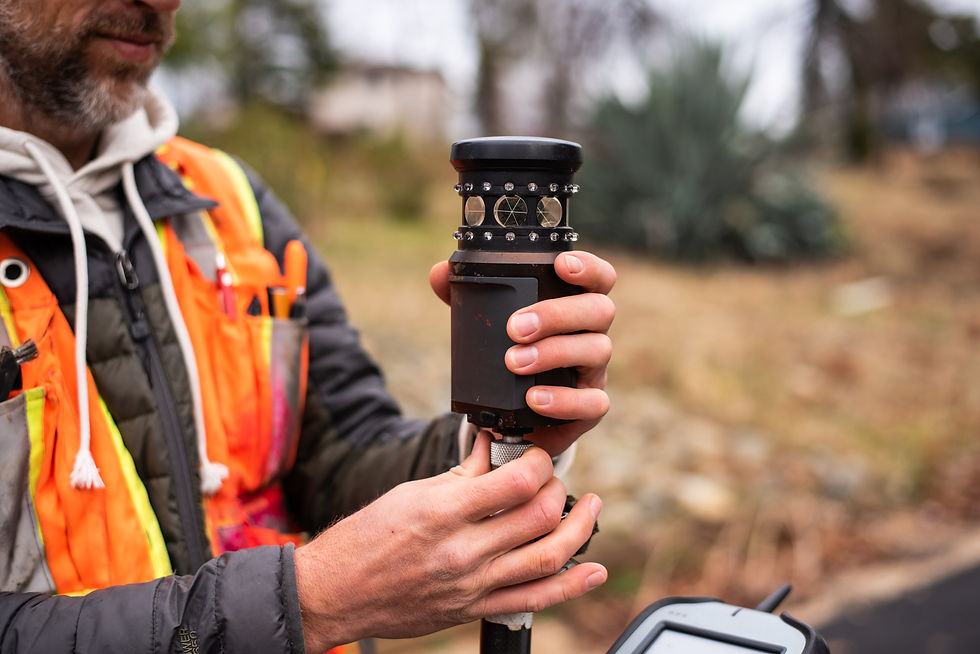
One of the major challenges that surveyors face is weather conditions, which can affect the accuracy of survey equipment and the safety of the survey team.
Survey areas that are difficult to access, such as steep slopes, dense vegetation, or limited space, require specialized equipment and skilled professionals.
Data processing is another consideration in topographic surveys. Large amounts of data are collected during surveying, which must be processed, verified, and presented in a way that is accurate and accessible. Surveyors must ensure that they have the necessary software and hardware to manage and analyze the survey data properly.
Environmental Considerations
Topographic surveys are often performed in environmentally sensitive areas, such as wetlands, forests, and wildlife habitats. Surveyors must take extra precautions to minimize their impact on the environment and comply with regulations that protect these areas.
This may involve using alternative surveying methods, such as aerial mapping or unmanned aerial vehicles (UAVs), that reduce the disturbance to the natural environment.
Equipment Considerations
The equipment used in topographic surveys must be accurate, reliable, and appropriate for the survey area. Surveyors must ensure that their equipment is calibrated and maintained to produce the highest quality results.
They must also consider the availability of spare parts, power sources, and communication devices, as well as the need for specialized equipment, such as boats, ATVs, or snowmobiling equipment, for accessing remote or challenging areas.
Team Considerations
Topographic surveys require a team of skilled professionals, each with different expertise and roles. Surveyors must consider the size and composition of their team, their qualifications and training, and their ability to work together effectively.
Communication and safety protocols must also be established and followed to ensure the wellbeing of everyone involved in the survey.
Conclusion
Topographic surveys are an essential tool for understanding and navigating our landscapes. From land development to environmental analysis, accurate land elevation data is crucial for applications. By utilizing the right surveying techniques and mapping tools, professionals in the field can gather reliable data for creating digital elevation models and contour lines.
Technological advancements continue to enhance the accuracy and efficiency of topographic surveys, with innovations such as UAVs and AI for data analysis. However, challenges such as weather conditions and accessibility must be considered to ensure successful survey outcomes.
As we continue to shape our landscapes, it's essential to understand the importance of topographic surveys and their applications. By embracing these surveys and staying up to date with the latest technologies, we can create accurate representations of our vast world.
FAQ
What is a topographic survey?
A topographic survey is a detailed measurement of the elevation, contours, and features of a particular piece of land. It involves gathering data through surveying techniques and mapping tools to create accurate representations of the terrain.
Why is accurate land elevation data important?
Accurate land elevation data is essential for creating digital elevation models (DEMs) and contour lines, which are crucial for assessing slope stability, flood risk analysis, and designing infrastructure projects.
What surveying techniques are used for topographic surveys?
Topographic surveys can utilize techniques, including total stations, GPS receivers, and laser scanning equipment, depending on the specific requirements of the project.
What mapping tools are used for topographic surveys?
Mapping tools such as LiDAR, photogrammetry, and Geographic Information System (GIS) software are commonly used for topographic surveys to create accurate representations of the surveyed land.
How is topographic survey data analyzed and interpreted?
Topographic survey data is analyzed by interpreting contour lines and other collected information to gain insights into the land's characteristics, such as slope, drainage patterns, and suitability for specific purposes.
What are the applications of topographic surveys?
Topographic surveys are applied in industries and projects, including land development, urban planning, infrastructure design, and environmental impact assessments.
What are the advancements in topographic surveying technologies?
Technological advancements in topographic surveying include the use of unmanned aerial vehicles (UAVs) for aerial mapping and the integration of artificial intelligence (AI) for data analysis.
What challenges should be considered in topographic surveys?
Factors like weather conditions, accessibility to the survey area, and data processing requirements pose challenges in topographic surveys that need to be addressed to ensure successful outcomes.
About Endless Life Design
Endless Life Design is a Florida-licensed general contractor and design firm serving Miami-Dade, Broward, and Palm Beach counties, with construction, engineering, architecture, interior design, and government permit processing under one roof. Call (305) 680-3283 to discuss your project.
Endless Life Design Services Across South Florida
Endless Life Design manages the entire government permit process for construction projects across Miami-Dade, Broward, and Palm Beach counties. Our Government Permit Processing Service handles your application, plan review, and final approval for a flat $4,500 — call (305) 680-3283 to get started.
Request your free consultation today. If you need a licensed general contractor in Miami-Dade, Broward, or Palm Beach County for luxury residential renovation, commercial construction, hospitality construction, estate construction, multi-family construction, restaurant construction, kitchen and bathroom remodel, swimming pool construction, hurricane impact window installation, roof replacement, electrical service upgrades, plumbing repipe, HVAC replacement, structural engineering consultation, architectural design, 3D interior design and rendering, permit expediting, or comprehensive design-build services, Endless Life Design delivers integrated licensed general contracting, design, engineering, and permit expediting services. Get a free quote, request a project assessment, or schedule a consultation by visiting endlesslifedesign.com, calling (305) 680-3283, or emailing endlesslifedesign@endlesslifedesign.com.
Authoritative References & Code Resources
For verification of the code requirements, permit standards, Florida Building Code sections, and regulatory citations referenced in this article, consult the following authoritative government and code sources:
Florida Building Code 8th Edition (2023) on ICC Digital Codes: Building | Residential | Existing Building | Mechanical | Plumbing | Accessibility.
Florida Statutes via The Florida Senate: Chapter 489 (Contractor Licensure) | Chapter 553 (Building Construction Standards) | Chapter 713 (Construction Lien Law) | Chapter 471 (Engineers) | Chapter 481 (Architects) | Chapter 472 (Land Surveyors) | Chapter 515 (Pool Safety) | Chapter 633 (Fire Safety).
Florida State Agencies: Florida DBPR Contractor License Verification | DBPR Building Codes and Standards | Florida Building Commission.
Local Municipal & County Codes via Municode Library: Miami-Dade County Code of Ordinances | Broward County Code of Ordinances | Broward County Administrative Code | Palm Beach County Code of Ordinances.
Related Endless Life Design Resources
Browse our complete portfolio of licensed construction, engineering, architecture, 3D rendering, and permit expediting services across Miami-Dade, Broward, and Palm Beach counties: Construction Services | Commercial Construction Projects | Residential Construction Projects | Royal Palace Projects.
Request a free consultation today: Visit endlesslifedesign.com | Email endlesslifedesign@endlesslifedesign.com | Call (305) 680-3283 | Contact form.
Related Permit Resources
Endless Life Design handles construction, renovation, and permitting across Miami-Dade, Broward, and Palm Beach. Book a consultation or call (305) 680-3283 for a custom quote, and explore our project portfolio for the Royal Custom Construction standard. We also handle full permit processing.
We are also a full-service interior design company and interior decoration company — offering interior design services, room design and home styling, with living room decor ideas, bedroom decor ideas, kitchen decorating and bathroom decor ideas for houses, condos and estates across Miami-Dade, Broward and Palm Beach.
People also find us searching: home decorator, home decorate, interiors, room decorating, inside design, interior design firms, interior company, shop interior design, interior design stores, interior design shop, interior design publications, ideas for wall decor, design interior design, interior design interior design, interior and design, d interior design, house designer near me, interior designer near by me, interior designers in near me, interior designs styles, interior design and styling, interior design styling, interior decoration store, design room design, home interior design, interior design near me, living room design, interior design companies near me, interior designer near me, interior decorator near me, house designers near me, living room decor ideas, bedroom decor ideas, home decor ideas, interior design services, house decor ideas, sitting room decor ideas, home interior ideas, living decor ideas, interior ideas for living room, bedroom interior ideas, bedroom decoration design, bathroom decor ideas, bedroom decoration, bed room decoration, small living room decorating ideas, small living room furniture ideas, room designer, room decor ideas, interior design company, interior company, interior decoration company, kitchen decorating, wall decor for living room, living room decor, kitchen decor ideas, home styling, master bathroom decor ideas, decorating a small bedroom, modern bathroom decor ideas, shop home decor, stores for home decor, and interior designers.


Comments